
Matte Stealth PPF: What to Know Before Wrapping Your Car
Learn how matte stealth PPF changes a vehicle’s finish, how it protects paint, when full-body coverage makes sense, and what affects the final result.
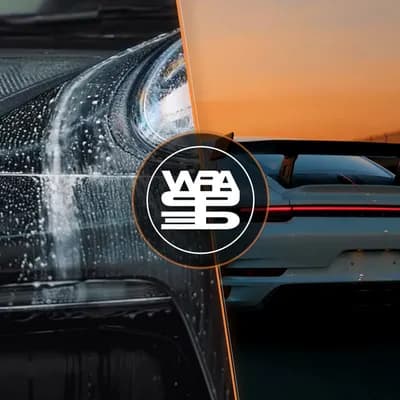
Put two identical cars in the same paint code side by side—one glossy, one satin. They look like entirely different builds.
That visual pop is why people hunt down matte stealth film. It skips the irreversible headache of a complete respray, and it blows thin vinyl out of the water because you actually get real impact defense. You get a flat, frozen look, but the original factory paint stays safe underneath.
Beyond aesthetics, it’s still thick urethane. Highway gravel, baking bug guts, stray gravel, and light scuffs take their toll on the film rather than eating into your clear coat.
Understanding Stealth PPF
At its core, stealth film is just heavy-duty clear paint protection with a frosted top layer.
Standard clear film hides out and keeps glossy clear coats looking mirror-wet. Stealth film does the opposite on purpose: it breaks up incoming light, muting reflections and giving panels a soft, diffused sheen.
We typically see people buy it for two reasons.
Either they have a standard gloss car and want that custom satin finish without touching paint guns, or they bought a car that already came with factory matte paint and need to protect it without making it shiny. In both scenarios, the film serves as a replaceable, sacrificial shield.
The Real Visual Difference
It all comes down to how light bounces.
Gloss paint creates sharp mirror reflections and tiny, blinding glare points. Matte PPF scatters that light. Because the glare is gone, your eyes naturally focus on the body lines, wide hips, and creases in the metal rather than clouds reflecting overhead.
Your base color matters a lot here. Slap matte film onto gloss black and you get that deep, aggressive stealth look while keeping the original pigment. Wrap a metallic silver, blue, or red, and it suddenly looks like frozen metal.
We always recommend looking at finished cars in natural sunlight before pulling the trigger. You aren't just shielding the panels—you're completely changing the personality of the car.
Matte PPF vs Standard Clear Film
Normal clear film should be completely invisible once it’s tacked down.
Matte film is an active styling choice.
That difference completely changes how you map out your coverage. If you wrap just the hood in satin film and leave your front fenders shiny, the front end is going to look mismatched and strange. It looks like an unfinished project. For clear protection, doing the bumper, hood, fenders, and mirrors usually gives daily drivers all the defense they need. For a matte conversion, consistency is king. That is why almost everyone doing stealth film opts for a full-body wrap.
Satin vs Matte: Is There a Difference?
Most installers use "satin" and "matte" interchangeably when talking about PPF.
The goal with both is killing the high gloss without hiding the color underneath. A satin PPF gives panels a smooth, low-luster finish without any permanent modification.
How it turns out depends on your factory color, how dramatic your body lines are, the lighting conditions, and the specific brand of film. Always check physical samples on real body panels rather than picking from tiny material swatches under office lights.
Can You Put Matte Film Over Gloss Paint?
Yes, absolutely. Most of our clients do exactly that.
The film sits directly over your gloss clear coat, giving you a custom satin sheen while using your existing paint color as the background. If you love your color but hate blending into traffic, it’s the cleanest way to do it.
Your paint still needs a thorough pre-inspection, though. Old rock chips, deep gouges, terrible touch-up paint, or heavy swirl marks don't magically vanish under matte film. The film is translucent, so whatever is underneath will still show through.
Prepping and correcting the surface beforehand is an absolute must.
What About Protecting Factory Matte Paint?
Wrapping a car that arrived from the factory with matte paint is a totally different ballgame.
If you put standard clear film over factory matte paint, that panel turns glossy. That completely defeats the purpose and ruins the factory finish.
A dedicated matte PPF shields the paint from gravel while matching the flat texture of the surrounding bodywork. This is a game-changer if you only want to protect the nose or side skirts without wrapping the entire car. The film has to blend in with the factory texture so nobody can spot where the film ends and the bare paint begins.
What Does It Actually Protect Against?
Mechanically, matte film provides the exact same defense as clear film.
It takes the abuse from:
- Airborne gravel
- Sand and tire debris
- Acidic bug splatter
- Road salt and light scuffs
The bumper, hood, fenders, and mirror caps take the brunt of that daily abuse. With film installed, road rash gets trapped in the urethane instead of pitting your metal.
Keep your expectations grounded, though. A brick flying off a flatbed at 70 mph will still punch through film and leave a dent. Film is a tough sacrificial skin, not armor plate. It simply stops the slow, ugly cosmetic wear that ruins cars over time.
Matte PPF vs a Complete Repaint
They solve two completely different problems.
A repaint permanently alters the vehicle and often hurts resale value on late-model cars. A matte wrap is fully reversible whenever you decide to sell or switch things up.
If preserving your original factory clear coat matters to you, film is the obvious answer. You get the satin look you want, the factory paint stays mint, and you gain actual stone chip defense. Factory matte paint is notoriously delicate and impossible to blend or buff out if it gets damaged. Film gives you the style without the maintenance nightmares.
Does Partial Matte PPF Make Sense?
Usually, no—unless you are deliberately going for a two-tone look.
With clear film, stopping at the front fenders works because the clear coat matches the rest of the car. With matte film, wrapping one section creates an obvious textural contrast against the shiny panels next to it.
The only exception is if your car is already matte from the factory. In that case, partial coverage works great because the film matches the rest of the car.
What Determines the Price?
There is no flat, universal price for a stealth wrap.
How much material you need is the biggest factor. Doing a few panels takes far less film and labor than wrapping every single exterior painted piece. Body lines, deep scoops, and tricky trim pieces add significant labor time.
The current shape of your paint matters too. If the car rolls into the bay covered in fallout, road tar, or deep scratches that need correction, that prep time goes into the estimate. Compare quotes only after looking at the exact scope of work. A cheap quote that skips panel tucking and leaves raw edges showing is not the same job as a full breakdown with wrapped seams.
Matte Film on Black Cars
Black paint showcases this material better than almost anything else.
Gloss black reflects everything and shows dust five minutes after a wash. Satin film turns it into a deep, muted silhouette that accentuates every curve and body line.
Keep in mind that black paint demands top-tier installation. If an installer stretches the film wrong, traps dust nibs, or leaves an uneven gap, it will stick out immediately on a black car. The material matters, but installer patience matters more.
What Separates a Clean Install from a Bad One?
No film can cover up bad prep.
The paint has to be washed, clayed, decontaminated, and polished before film ever touches it. Once prep is done, the installer needs to carefully wrap corners and tuck edges wherever possible so factory gloss isn't peeking out from behind panel gaps.
With stealth film, consistency is everything. You shouldn't see slivers of shiny clear coat along the hood line or bumper seams. The car should look like it was sprayed satin right on the assembly line.
Is Matte Stealth PPF Worth the Money?
It comes down to your personal build goals.
If you like your factory gloss and just want to keep the bumper from looking sandblasted on the freeway, stick to standard clear film.
If you want a bold, head-turning satin transformation while getting serious highway protection at the same time, matte PPF is tough to beat. It’s also an essential tool if you already own a factory matte car and want to keep it from getting chipped up.
Matte Stealth PPF in Orange County
For drivers around Southern California, matte film is the easiest way to stand out from the sea of standard commuters while protecting your investment from harsh freeway conditions.
At Wrapped OC in Anaheim, we start by looking at your car in person. We evaluate your current paint, check out the body lines, and talk through exactly what look you want to achieve. Stop by our shop and we'll help you map out a package that fits your build.